
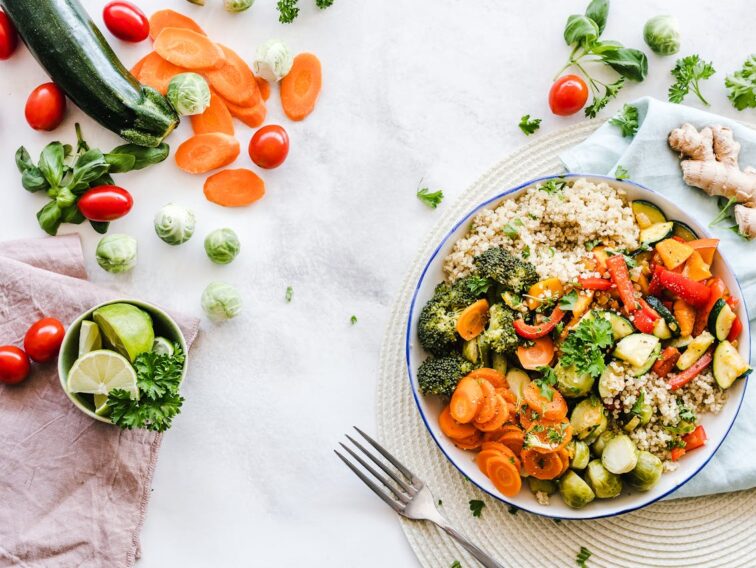
Let’s be honest, “inflammation” has become one of those buzzwords thrown around everywhere, on every wellness blog, every podcast, every Instagram reel. But behind the noise, there’s something real going on. Chronic low-grade inflammation is linked to a long list of issues, fatigue, joint pain, brain fog, skin problems, even more serious stuff like cardiovascular disease and type 2 diabetes. Not exactly fun.
The good news ? Your plate is one of the most powerful tools you have to calm things down. Not a miracle, not a detox cure, just consistent food choices that actually work over time. And honestly, once you start paying attention to what you eat, you feel the difference within a couple of weeks. I’ve seen it on myself, and on people around me too. For deeper guidance on how nutrition really shapes your daily wellbeing, I often recommend checking https://destination-nutrition.fr, it’s a solid resource if you want to go further than just “eat your veggies”.
So, ready to look at the 10 foods I’d genuinely put on your shopping list this week ? Let’s go.
1. Fatty fish (salmon, mackerel, sardines)
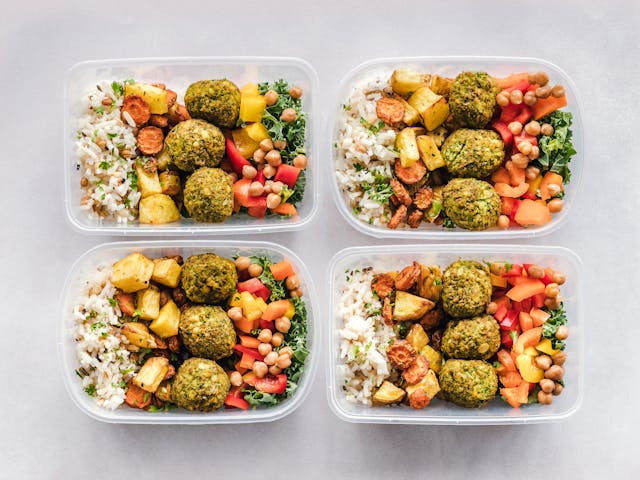 If I had to pick one anti-inflammatory star, it would probably be fatty fish. Why ? Omega-3s, especially EPA and DHA. These guys directly compete with the pro-inflammatory pathways in your body. Sardines are cheap, mackerel is underrated, and wild salmon is great if your budget allows. Two to three portions a week, that’s already a game-changer.
Quick tip : canned sardines on sourdough toast with a drizzle of olive oil and lemon, perfect lunch in 4 minutes flat.
2. Extra virgin olive oil
Not just any olive oil, the real extra virgin one. The good stuff that makes your throat tingle a little when you taste it pure (that’s the polyphenols saying hello). Oleocanthal, one of its compounds, has anti-inflammatory effects somewhat similar to ibuprofen, in a much milder way of course.
Use it raw on salads, over cooked veggies, on tomatoes. Don’t go cheap on this one, it really matters.
3. Berries (blueberries, raspberries, strawberries)
Berries are loaded with anthocyanins, those pigments that give them their deep colors. They fight oxidative stress and help reduce inflammation markers. Frozen ones work just as well, which is great because fresh berries are pricey and don’t last long.
Throw a handful in your morning yogurt or oatmeal. Done.
4. Leafy greens (spinach, kale, chard)
Yes, I know, “eat your greens” sounds boring. But leafy greens bring vitamin K, folate, and a bunch of antioxidants that genuinely help. Spinach sautéed with garlic and olive oil takes 3 minutes and goes with almost anything.
Honestly ? I find kale a bit overrated raw. Cooked, massaged with lemon, or in soup, much better.
5. Turmeric (with black pepper !)
Curcumin, the active compound in turmeric, is one of the most studied natural anti-inflammatories. But here’s the catch most people miss : on its own, your body absorbs it very poorly. Add a pinch of black pepper (piperine boosts absorption massively) and a bit of fat. Golden milk, curries, scrambled eggs with turmeric, plenty of options.
Have you ever tried it in roasted cauliflower ? Try it. You’ll thank me.
6. Walnuts
A small handful a day. Walnuts are rich in ALA, a plant-based omega-3, plus polyphenols and fiber. They’re also great for brain health, which is basically a bonus track. Almonds and pistachios are good too, but walnuts win on the omega-3 front.
Snack on them, throw them in salads, crush them on top of porridge.
7. Avocado
Creamy, satisfying, full of monounsaturated fats and carotenoids. Avocados help reduce inflammation markers and they keep you full for hours. Half an avocado a day is a sweet spot, no need to go wild.
Avocado toast is fine, but try it in a smoothie, surprisingly good.
8. Green tea
 Green tea, especially matcha, contains EGCG, a powerful polyphenol with serious anti-inflammatory properties. Two to three cups a day is a nice habit to build. It’s also way gentler on your nervous system than coffee.
Perso, I switched my afternoon coffee for matcha and my sleep got noticeably better.
9. Cruciferous vegetables (broccoli, cauliflower, Brussels sprouts)
These guys contain sulforaphane, a compound with strong anti-inflammatory action. Broccoli is the most studied one. Lightly steamed, not boiled to death, that’s the key. Boiled broccoli loses a lot of its nutrients (and tastes sad).
Roasted with olive oil, salt, garlic, lemon zest ? Honestly, it converts even broccoli haters.
10. Dark chocolate (yes, really)
Saving the best for last. Dark chocolate, at least 70% cocoa, is rich in flavanols. It supports cardiovascular health and helps fight inflammation. The catch ? Quantity matters. We’re talking 20 to 30 grams a day, not half a bar. And it has to be real dark chocolate, not the sugary stuff dressed up as healthy.
A small square with a coffee, that’s all you need.
How to actually make this stick
You don’t need to overhaul everything overnight. Pick 3 or 4 of these foods this week and just rotate them into your meals. Then add a couple more next week. That’s how habits are built, slowly, without pressure.
What you want to reduce in parallel ? Ultra-processed foods, refined sugars, industrial seed oils, and excess alcohol. They feed inflammation in the background, no matter how many blueberries you eat.
So, which one are you adding to your shopping list first ? My bet is on the sardines, but maybe that’s just me.